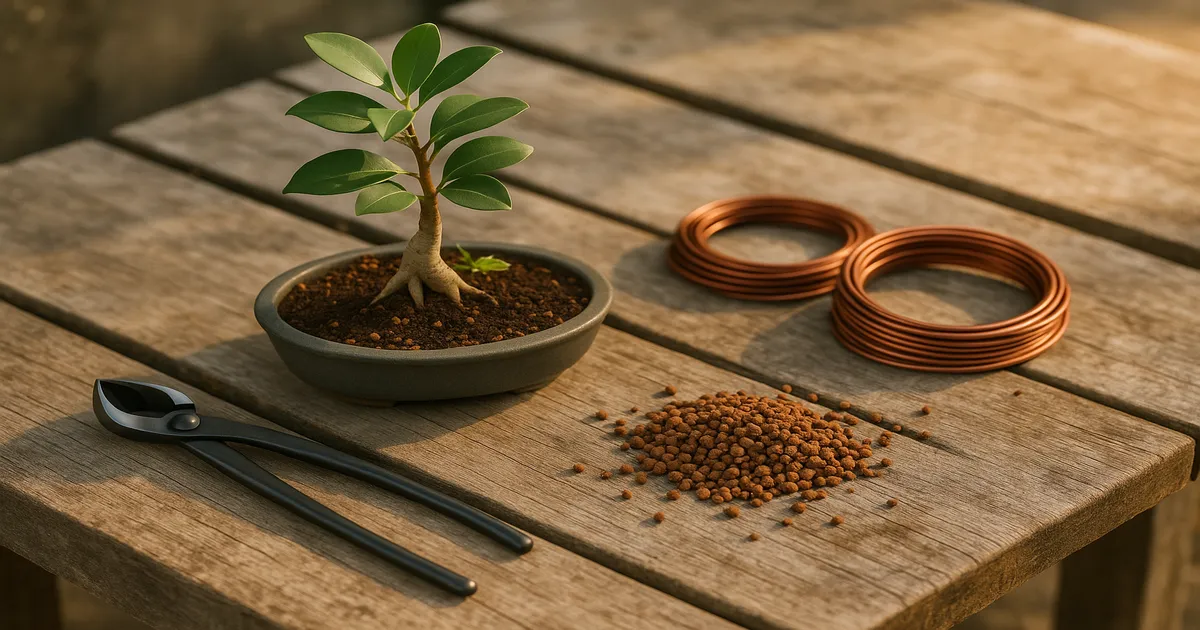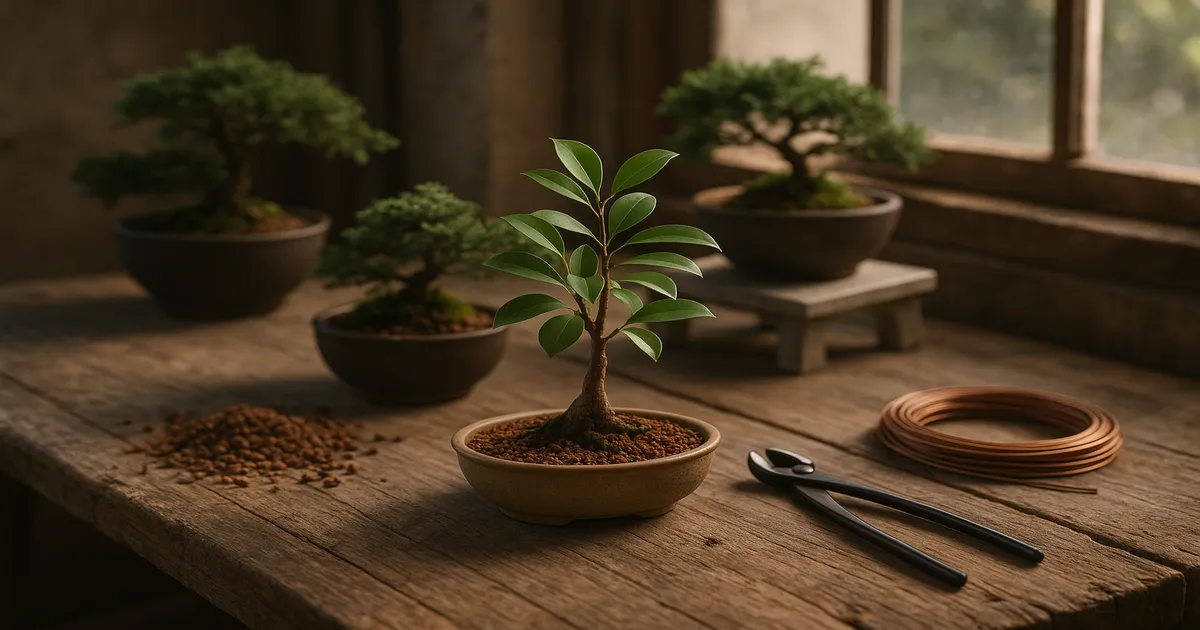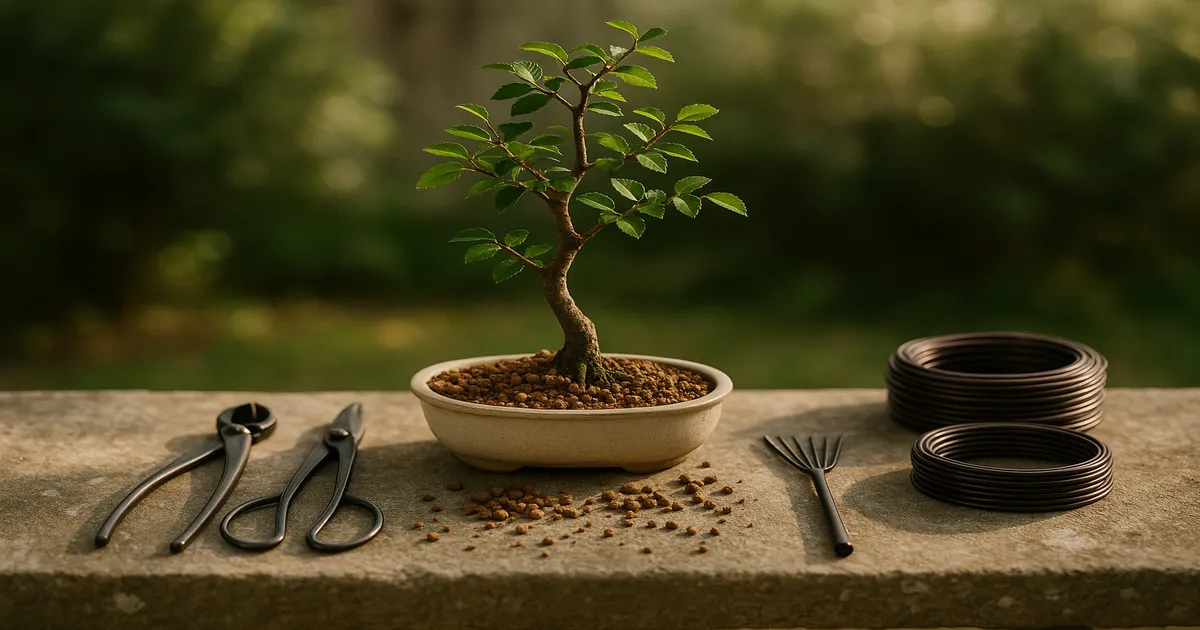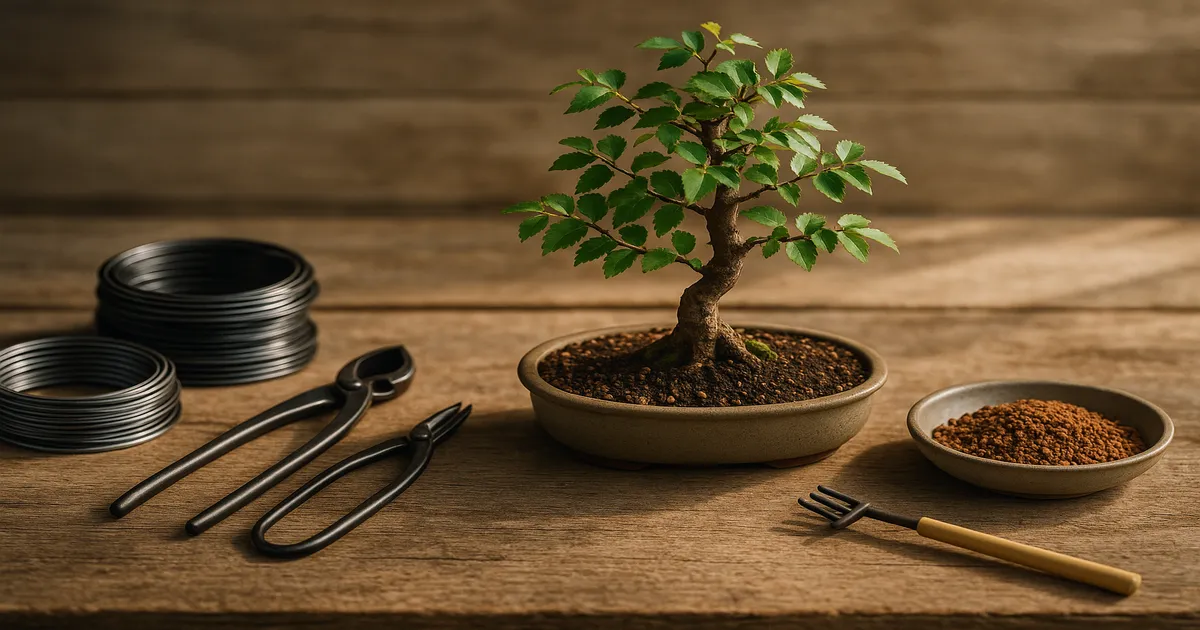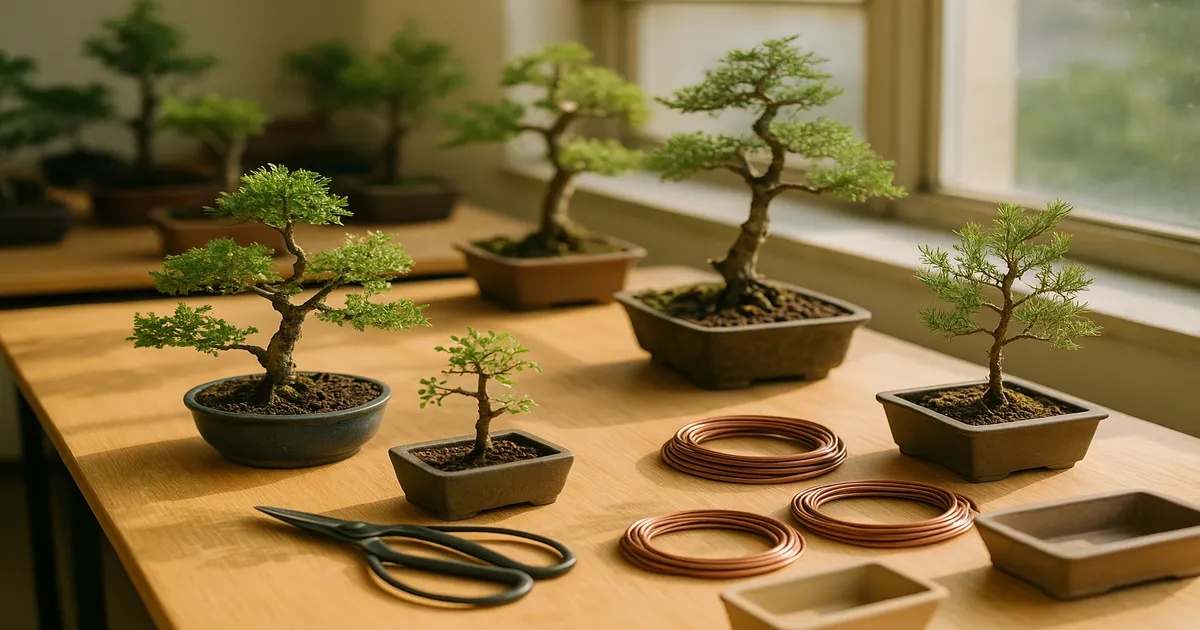
Quick Answer: Beginner bonsai classes typically run 2–4 hours and cover species selection, basic pruning, wiring fundamentals, and potting — you leave with a finished tree in hand. Most workshops use Ginseng Ficus, Japanese Garden Juniper, or Chinese Elm because these species forgive early mistakes and teach core skills well. Expect to pay $60–$150 depending on location, class size, and whether materials are included.
If you’ve been searching for bonsai classes for beginners near me, you’re probably past the “maybe someday” stage and ready to get your hands dirty. Good instinct. One afternoon with a knowledgeable instructor is worth months of YouTube rabbit holes. Here’s exactly what to expect, what you’ll learn, and how to keep your first tree alive after you bring it home.
What to Expect From Beginner Bonsai Classes Near You
What Skills Are Taught in a Single Session?
Most beginner workshops pack a surprising amount into a short time. You’ll typically cover:
- Species selection — why certain trees suit beginners and how to evaluate what you’re buying
- Basic pruning — which branches to remove and how to make clean cuts
- Wiring fundamentals — how to bend and position branches without damaging bark
- Soil and potting — why standard potting mix fails and how proper bonsai substrate works
- Watering technique — the double-watering method and how to read your tree’s needs
By the end, you’ve styled your own tree and repotted it into a bonsai container. You leave with a finished piece, not a homework assignment.
How Long Does a Typical Beginner Workshop Run?
Plan for 2–4 hours. Boutique workshops at independent nurseries tend to run longer and offer more one-on-one time. Big-box craft store sessions are usually shorter and more structured. Group sizes range from 6 to 20 students — smaller is better for individual feedback. Most workshops include the tree, pot, soil, and basic tools in the price, but confirm before you register.
The Three Species You’ll Most Likely Work With in Class
Ginseng Ficus (Ficus retusa / Ficus microcarpa): The Beginner’s Best Friend
Native to the tropical and subtropical forests of Southeast Asia, southern China, and Taiwan, the Ginseng Ficus is the workhorse of beginner bonsai education. Its dark-green oval leaves, mottled gray bark, and dramatically swollen base make it look like a proper bonsai straight out of the nursery. That swollen base is an exposed root — not a true trunk. Instructors emphasize this early because it changes how you approach styling.
The taxonomy is messy in the trade: plants sold as F. retusa are frequently F. microcarpa, and the two names are used interchangeably. Care is identical either way. What matters is that this tree forgives inconsistent watering, tolerates indoor low light better than almost any other bonsai species, and backbuds vigorously after pruning. If you make a mistake, a Ficus usually gives you a second chance.
Japanese Garden Juniper (Juniperus procumbens ‘Nana’): Classic Bonsai Aesthetic
This compact, prostrate conifer from the coastal cliffs of southern Japan is what most people picture when they think “bonsai.” Its blue-green needle foliage, natural deadwood features, and graceful branching hit every visual note. Instructors love it for wiring lessons because young branches are flexible and hold position well.
The most important thing to know: Juniper is a strictly outdoor species. Kept inside, it declines within weeks. This makes it an ideal teaching tool — it forces the lesson that most bonsai are not houseplants.
Chinese Elm (Ulmus parvifolia): The Versatile Middle Ground
Chinese Elm grows naturally across China, Japan, Korea, and Vietnam. It produces fine, twiggy ramification and beautiful flaking bark in shades of orange, gray, and green. Its small leaves (½–1½ inches) and vigorous response to pruning make it excellent for teaching the clip-and-grow technique. It’s also semi-deciduous, which opens a natural conversation about seasonal care. In mild climates it stays evergreen; in colder conditions it drops its leaves in winter — which is normal, not a crisis.
Light and Temperature: The First Lesson Every Instructor Teaches
Ginseng Ficus: Indoor Placement and Light Minimums
Place your Ficus within 2–3 feet of a south- or west-facing window. It needs roughly 2,000–3,000 foot-candles of bright indirect light. Below that, growth stalls and leaves yellow. If your windows can’t deliver, a full-spectrum LED grow light running 12–14 hours a day at 6–12 inches above the canopy will do the job.
Keep temperatures between 65–85°F (18–29°C). Below 55°F (13°C), root function slows and leaves drop. Cold drafts from windows or air conditioning vents are a common hidden killer — a swing of more than 10°F (5.5°C) within a few hours can trigger stress leaf drop fast.
Juniper: Why This Species Must Live Outdoors
Junipers need a minimum of 6 hours of direct sunlight daily — 8 or more is ideal. No windowsill comes close. Beyond light, Junipers require 4–8 weeks of cold dormancy at 25–45°F (-4–7°C) each winter. Skip that dormancy by keeping one indoors, and the tree slowly starves. It’s not dramatic — it just fades. When temperatures drop below 20°F (-6.7°C), protect the roots with an unheated garage or cold frame.
Chinese Elm: Bridging the Indoor/Outdoor Debate
Chinese Elm is the most flexible of the three. Outdoors in USDA Zones 5–9 during summer, it thrives in full sun to partial shade. Brought inside for winter, it needs the brightest window you have. Established trees tolerate brief frosts to about 20°F (-6.7°C), but container plants need protection below 28°F (-2°C) since pots insulate roots poorly.
Using Grow Lights When Natural Light Falls Short
If you’re growing a Ficus or Chinese Elm indoors through winter, measure rather than guess. A lux meter app on your phone gives a rough reading. Consistently below 1,500 lux at canopy level means you need supplemental lighting. Full-spectrum LEDs are the practical choice — energy-efficient, low heat, and easy to position.
Bonsai Soil and Watering: What Classes Teach You to Get Right
Why Standard Potting Mix Fails Bonsai
Regular potting soil compacts under repeated watering, suffocates roots, and stays wet far too long. Bonsai roots need oxygen as much as moisture. The solution is an inorganic-heavy mix that drains fast, holds just enough water, and stays structurally open year after year.
Recommended Soil Mixes for Each Beginner Species
- Ginseng Ficus: 40% akadama, 40% pumice, 20% lava rock
- Japanese Garden Juniper: equal thirds akadama, pumice, lava rock
- Chinese Elm: 50% akadama, 30% pumice, 20% lava rock
Use particles sized 3–6mm (⅛–¼ inch) and sieve out the dust before potting. If you can’t source proper components right away, a 50/50 mix of coarse perlite and quality potting mix will work temporarily — but plan to upgrade within a repotting cycle or two.
The Double-Watering Method Explained
Water thoroughly until water flows freely from the drainage holes. Wait 30 minutes, then water again. The first pass wets the soil mass and dislodges air pockets; the second ensures full saturation. Never mist as a substitute — it wets the surface and does nothing for the root zone.
Water when the top ½–1 inch of soil begins to dry, not on a fixed schedule. Lift the pot — a light pot means dry soil; a heavy pot means moisture remains.
Reading Your Tree: Overwatering vs. Underwatering
Overwatering looks like:
- Yellowing leaves starting from inner or lower foliage
- Fungus gnats hovering around the soil
- Soil staying wet for more than 5–7 days
- Foul smell from the pot
Underwatering looks like:
- Brown, crispy leaf edges (not soft or mushy)
- Soil pulling away from the pot edges
- Pot feels unusually light
- Ficus dropping leaves while they’re still green
Humidity and Indoor Winter Care
Ficus prefers 50–70% relative humidity. Indoor heating in winter routinely drops that to 20–30%, triggering leaf drop and spider mite outbreaks. A humidity tray — gravel in a shallow tray with water, pot sitting above the waterline — helps. A small room humidifier helps more.
Pruning and Wiring: Core Skills From Your First Class
Maintenance vs. Structural Pruning
Maintenance pruning is ongoing — trimming new shoots to maintain shape and encourage fine branching (ramification). Structural pruning is more deliberate: deciding which primary branches stay, which go, and what the tree’s long-term architecture will look like. In a beginner class, you’ll do both, but structural decisions get the most discussion.
Pruning Tips by Species
Ficus bleeds white latex sap when cut. Let it dry naturally or dab it with diluted lime sulfur — don’t wipe repeatedly, as that restimulates flow. Prune new shoots back to 2–3 leaves once they’ve extended to 6–8 leaves. Use sharp concave cutters and apply cut paste to any wound larger than ¼ inch (6mm).
Juniper has one golden rule: never cut into wood with no foliage beyond the cut. Junipers cannot backbud from bare branches — cut past the last needle cluster and that branch dies. Pinch extending shoot tips throughout the growing season and avoid heavy pruning in late summer, since new growth won’t harden before winter.
Chinese Elm responds beautifully to clip-and-grow: let shoots extend 3–4 nodes, then cut back to 1–2 nodes, and repeat. Spring is when the Elm responds most vigorously — a hard cutback just as buds swell can reset the structure entirely.
Wiring Basics
Start with anodized aluminum wire. It’s softer, easier to bend, and forgiving when you make a mistake. Copper wire is stronger and useful for conifers and advanced work, but it hardens after application and is trickier to remove.
Choose wire that’s roughly ⅓ the diameter of the branch. For most beginner work, 1mm–3mm aluminum covers almost everything; trunks typically need 4–6mm. Apply wire at a 45-degree spiral angle — never wrapped tightly like a coil.
Wire scars are the most common beginner mistake. They happen when wire is left on too long and bites into the bark as the branch thickens. Check wired branches every 3–4 weeks during the growing season. The moment you see the wire pressing into bark, remove it by cutting in small sections — never unwind it, as that damages the branch.
Repotting, Troubleshooting, and What Comes Next
When Does a Beginner Bonsai Need Repotting?
- Ginseng Ficus: every 2–3 years
- Japanese Garden Juniper: every 3–5 years
- Chinese Elm: every 2–3 years
Signs it’s time: roots circling the bottom of the pot, water draining very slowly, or the tree lifting slightly when you tug it. Early spring, just before growth begins, is the ideal window for all three species. Remove no more than ⅓ of the total root mass in a single session. Healthy roots are white to tan and firm; black, mushy roots should be removed entirely.
After repotting, keep the tree out of direct sun for 2–4 weeks. Reduce watering slightly — the reduced root system can’t handle the same volume yet. Hold off on fertilizer for 4–6 weeks to avoid burning tender new roots.
Common Problems and Quick Fixes
Ficus dropping leaves after you bring it home is often normal — it’s adjusting to new light, humidity, and temperature. Give it a stable spot near a bright window and resist moving it around. Ongoing heavy drop points to cold drafts, low humidity, or soggy soil.
Juniper foliage turning brown on the interior is natural die-back as the tree matures. Watch for browning that spreads outward from the tips or entire branches going limp and gray. Do the scratch test: scratch the bark lightly with a fingernail. Green tissue underneath means the branch is alive.
Chinese Elm losing leaves in winter is almost certainly normal semi-deciduous behavior. As long as branches are flexible and the bark scratches green, the tree is fine. New leaves emerge in spring.
Pests to watch for:
- Spider mites — fine webbing and stippled leaves on indoor Ficus in dry air; treat with neem oil or insecticidal soap
- Scale insects — brown or white bumps on branches; remove manually with a soft brush and treat with horticultural oil
- Fungus gnats — hovering around soil, a sign of overwatering; let soil dry more between waterings and use sticky traps
Frequently Asked Questions About Beginner Bonsai Classes Near Me
How much do beginner bonsai classes typically cost?
Most beginner workshops run $60–$150, with the tree, pot, soil, and basic tools usually included. Boutique nursery workshops at the higher end often provide more individual instruction and higher-quality starter material. Community college or botanical garden sessions can be more affordable. Always confirm what’s included before booking.
Can I keep the bonsai tree I make in class indoors?
It depends on the species. Ginseng Ficus is well-suited to indoor life near a bright window. Chinese Elm can work indoors with sufficient light. Juniper must live outdoors year-round — keeping it inside will kill it within weeks. Ask your instructor which species the class uses so you can prepare the right space at home.
Do I need any experience before attending a beginner bonsai class?
None whatsoever. Beginner workshops are designed for people who have never touched a bonsai tool. Instructors walk you through every step, and most provide all the materials you need. If you can follow basic instructions and pay attention for a few hours, you’re qualified.
How do I find bonsai classes for beginners near me?
Start with local bonsai clubs — the American Bonsai Society website lists affiliated clubs by state, and most clubs run regular workshops. Independent bonsai nurseries often host their own classes. Botanical gardens, community colleges, and craft studios like local makerspaces are also worth checking. Searching “[your city] bonsai workshop” or “[your city] bonsai club” usually turns up options quickly.
What should I bring to my first bonsai class?
Most workshops supply everything, but it’s worth bringing a notebook, your phone for photos, and a box or bag to carry your finished tree home safely. Wear clothes you don’t mind getting soil on. If the class listing mentions bringing your own tools, a basic pair of bonsai scissors is all you need to start.