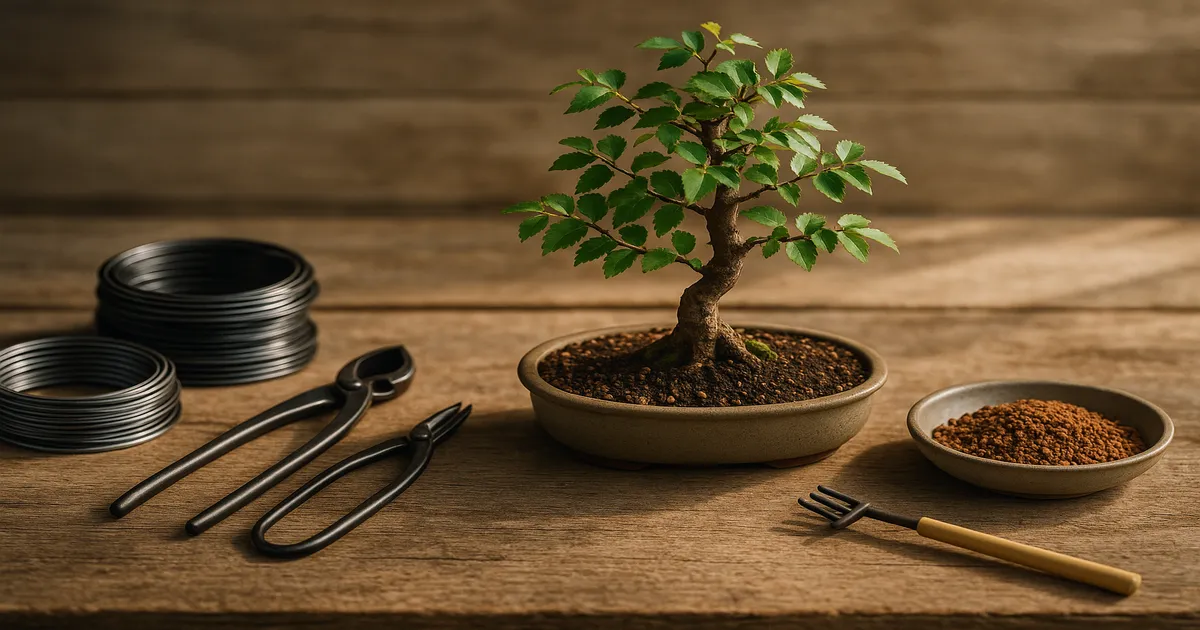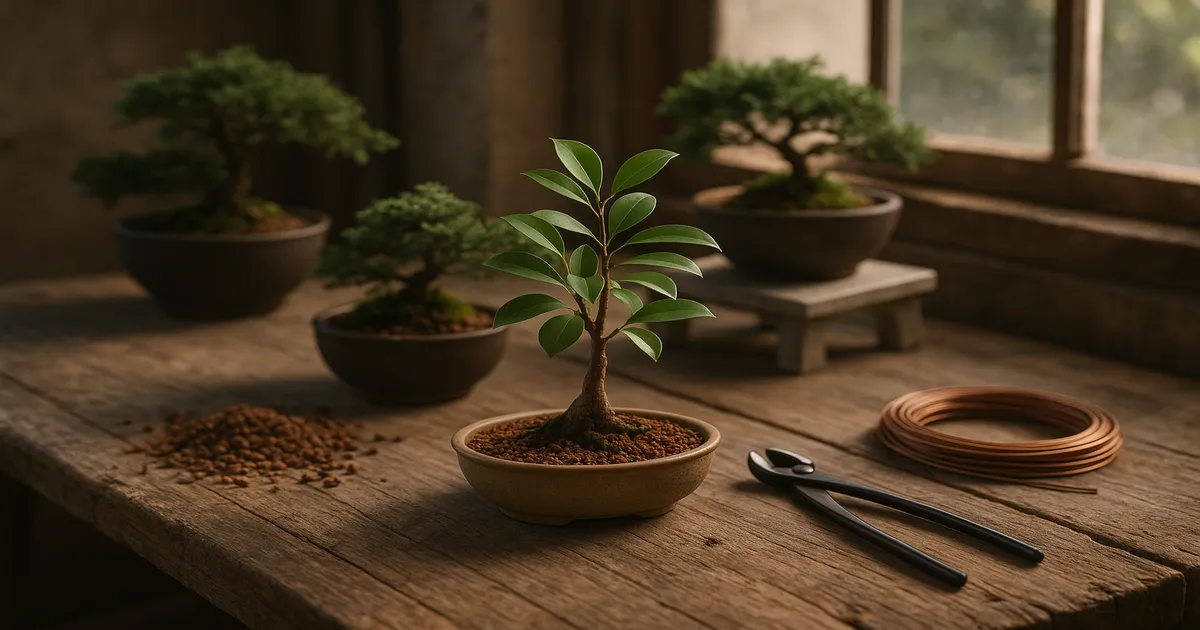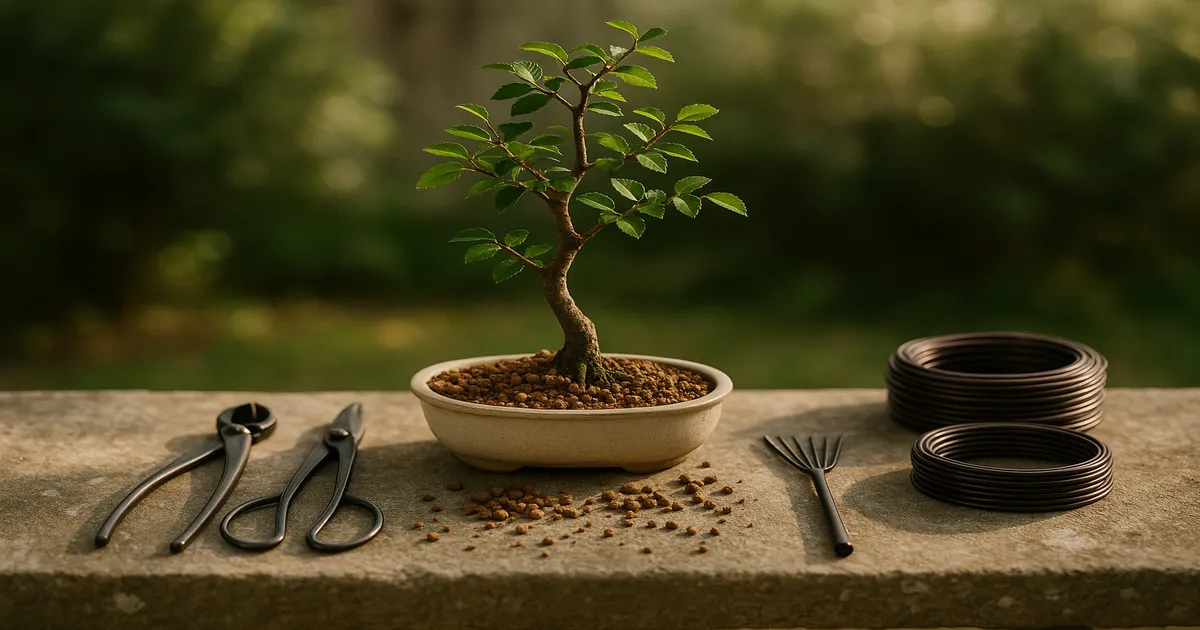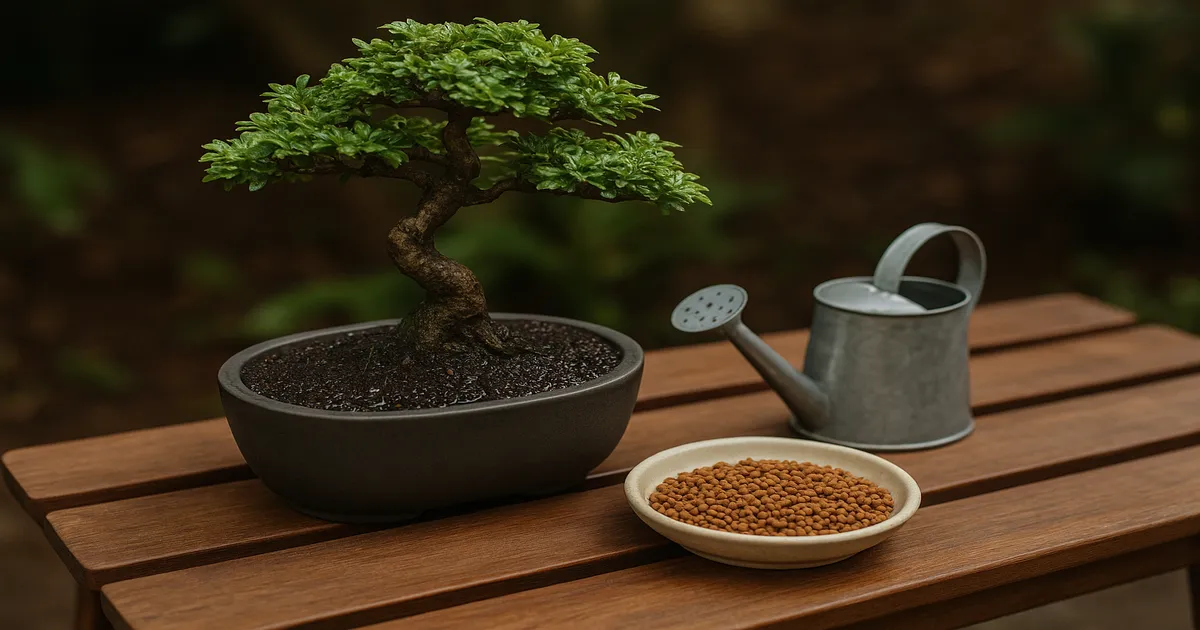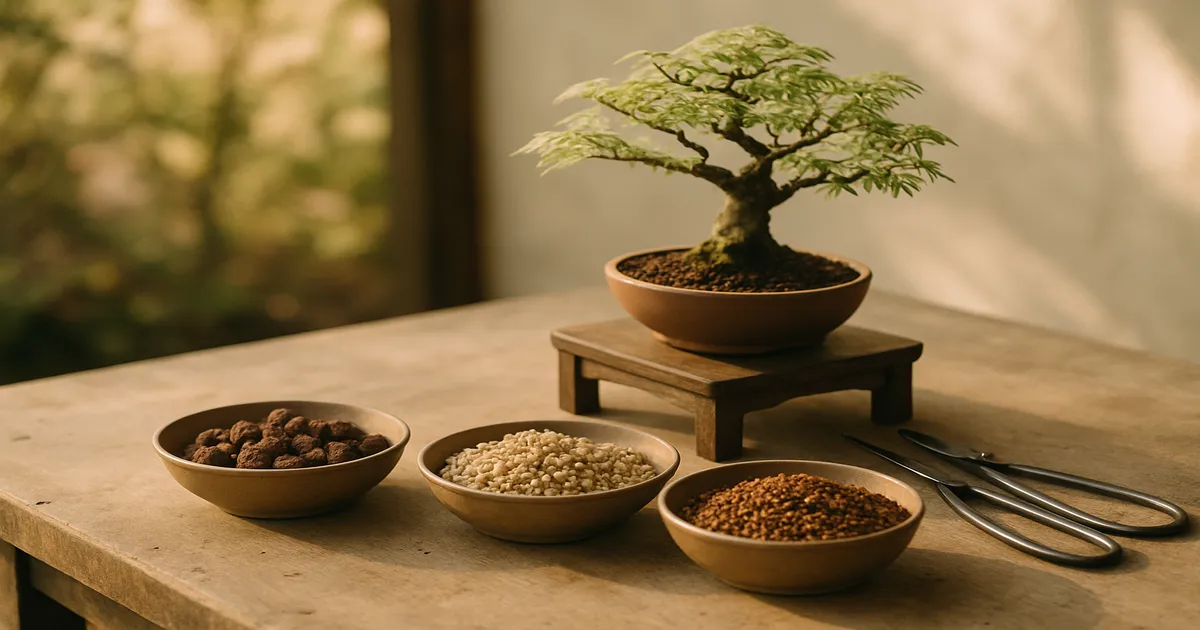
Quick Answer: The best soil mix for bonsai is an inorganic, fast-draining blend — not standard potting soil. For most deciduous trees, start with 50% akadama, 25% pumice, and 25% lava rock. Conifers, tropicals, and acid-lovers like azaleas each need their own ratios, but the core principle never changes: drainage and gas exchange come first.
Figuring out what is the best soil mix for bonsai is one of the most important decisions you’ll make as a grower. Get it right and your tree thrives. Get it wrong and even perfect watering and light can’t save it. The good news: once you understand why bonsai soil works the way it does, choosing and adjusting your mix becomes intuitive.
What Is the Best Soil Mix for Bonsai? The Core Principles
Drainage Always Comes First
There is no single perfect bonsai soil — the best mix depends on your species, climate, and growing environment. But every good bonsai substrate shares one trait: it drains fast and allows oxygen to reach the roots. Bonsai grow in shallow pots with very little soil volume, so any substrate that holds too much moisture will suffocate roots quickly. Think of the mix as a life-support system, not just a growing medium.
The Three Core Components
Almost every quality bonsai mix is built from three inorganic materials:
- Akadama — a kiln-dried Japanese clay granule that retains moderate moisture and has good cation exchange capacity (CEC), making nutrients available to roots
- Pumice — porous volcanic glass that drains quickly, barely breaks down, and gives roots something to grip
- Lava rock (volcanic scoria) — the leanest of the three; maximizes drainage and aeration, and supports mycorrhizal fungi
Default starter ratio for deciduous trees: 50% akadama, 25% pumice, 25% lava rock. That’s your benchmark — everything else is an adjustment from there.
Why Standard Potting Soil Fails Bonsai
Shallow Pots Leave No Margin for Error
A bonsai pot might hold a cup or two of substrate. In a garden bed, soggy soil near the surface still has deep, aerated layers below — bonsai roots have nowhere to escape. A substrate mistake that would merely slow a garden plant can kill a bonsai in weeks.
The Problem With Organic-Heavy Mixes
Standard potting mix breaks down within one to two years, compacting into a dense, airless mass. Peat-based mixes are worse — once dry, they become hydrophobic, causing water to run off the surface rather than penetrating to the roots. Fine organic particles also block the rapid gas exchange that roots depend on.
What Bonsai Roots Actually Need
Healthy roots need oxygen flowing in and carbon dioxide flowing out — constantly. Waterlogged, compacted soil creates anaerobic zones where roots rot and beneficial fungi die. Coarse, stable inorganic particles give fine feeder roots something to grip and colonize, which decomposing organic matter simply can’t provide long-term.
The Best Bonsai Soil Components Explained
Akadama: The Traditional Japanese Clay Granule
Akadama is the backbone of most bonsai mixes. It’s a naturally occurring, kiln-dried clay mined in the Kanto region of Japan. Fresh akadama is hard and granular; over two to three years it softens and begins to compact — which is your primary signal that it’s time to repot.
Use 3–6mm particles for standard bonsai, 1–3mm for shohin and mame (trees under roughly six inches), and 6–9mm for large specimen trees. Always sieve out dust before use.
Pumice: Volcanic Glass for Drainage and Aeration
Pumice is essentially permanent in a pot — it doesn’t break down the way akadama does. Its internal pore structure holds a small amount of moisture while allowing the surface to drain instantly. Roots grip pumice particles well, making it excellent for building fine root structure. pH sits at neutral to slightly alkaline (around 7.0–7.5), so it works across almost all species.
Lava Rock: Maximum Drainage for Lean Mixes
Lava rock is the driest component of the three. It’s ideal for conifers and succulents that demand lean, fast-draining conditions. Like pumice, it’s essentially permanent. Rinse it thoroughly before use to remove the fine red or black dust that can clog drainage holes.
Kanuma: The Specialist Substrate for Azaleas
Kanuma is a naturally acidic variant of akadama, with a pH of around 4.5–5.5. It’s used exclusively for azaleas and other acid-loving species. Don’t mix it with standard akadama — doing so raises the pH and causes chlorosis (yellowing leaves from nutrient lockout). For azaleas, use 100% kanuma or a 60/40 kanuma-to-pumice blend.
Particle Size: Why Sieving Matters
Particle size is just as important as which components you choose. Fine dust clogs drainage channels and creates the anaerobic pockets you’re trying to avoid. Run each component through a sieve and discard the fines before mixing. Scale particle size to pot size:
- Shohin/mame (under 6 inches): 1–3mm
- Small to medium bonsai (6–18 inches): 3–6mm
- Large/specimen bonsai (18+ inches): 6–9mm
Best Soil Mix Ratios by Species
Deciduous Trees: Maples, Elms, Hornbeam, Zelkova
Mix: 50% akadama / 25% pumice / 25% lava rock
Deciduous trees are active feeders during the growing season and need a substrate that holds enough moisture to support that growth while draining freely during winter dormancy. The higher akadama percentage delivers both moisture retention and good CEC for nutrient availability.
Conifers: Pines, Junipers, Spruce, Larch
Mix: 33% akadama / 33% pumice / 33% lava rock
The equal 1:1:1 split prioritizes drainage and aeration over retention. This lean environment supports the mycorrhizal fungi that conifers depend on — heavy organic soils suppress these beneficial networks. For black pines specifically, some growers push further to 20% akadama / 40% pumice / 40% lava rock.
Tropical and Indoor Species: Ficus, Fukien Tea, Serissa
Mix: 40% akadama / 30% pumice / 20% lava rock / 10% fine composted pine bark
Tropical species have no true dormancy and are often kept in heated indoor environments where evaporation is fast. A small organic component — no more than 10–20% — helps buffer moisture without compromising drainage.
Azaleas and Acid-Loving Species
Mix: 100% kanuma — or — 60% kanuma / 40% pumice
Azalea roots are fine, fibrous, and highly sensitive to pH. Kanuma’s natural acidity is what keeps them healthy. The 60/40 blend with pumice improves drainage slightly while maintaining the acidic environment they need.
Succulents Used as Bonsai: Jade and Portulacaria
Mix: 50% pumice / 40% lava rock / 10% coarse sand
Jade and portulacaria rot quickly in moisture-retentive soil. Zero organic content, maximum drainage. These plants evolved in arid South Africa and store water in their stems — the soil should dry out almost completely between waterings.
Quick-Reference Comparison Table
| Species Type | Akadama | Pumice | Lava Rock | Other |
|---|---|---|---|---|
| Deciduous | 50% | 25% | 25% | — |
| Conifers | 33% | 33% | 33% | — |
| Tropical/Indoor | 40% | 30% | 20% | 10% bark |
| Azalea | — | 40% | — | 60% kanuma |
| Succulents | — | 50% | 40% | 10% coarse sand |
Budget-Friendly and Regional Soil Alternatives
North American Substitutes
If you can’t source Japanese akadama, you have solid options:
- Turface MVP (calcined clay) is the most widely available akadama substitute in North America. It has lower CEC than akadama but performs well and is genuinely affordable.
- Diatomite (Napa Floor Dry 8822) is sold at auto parts stores for a few dollars a bag. It’s a legitimate pumice substitute with moderate performance.
- Haydite (expanded shale) works well as a lava rock alternative, providing good drainage and aeration.
- Decomposed granite (coarse, 3–6mm) can partially replace pumice or lava rock in a pinch.
What to Avoid
- Perlite floats to the surface when watered and segregates from the rest of the mix — not a reliable primary component.
- Fine sand compacts quickly and reduces drainage rather than improving it.
- Garden soil and standard potting mix are simply unsuitable — too fine, too organic, and they break down too fast.
A Practical Budget Mix
50% Turface MVP + 30% Napa Floor Dry + 20% haydite. It won’t outperform a premium akadama-based mix, but it will dramatically outperform any store-bought potting soil. Sieve everything before mixing.
Adjusting Your Mix for Climate
Hot and Dry Climates
In the Southwest US, Mediterranean regions, or anywhere summers are brutal, soil dries out fast. Push akadama up to 60% in your deciduous mix and reduce lava rock accordingly. You may still need to water twice a day in peak summer, but the mix won’t lose moisture faster than roots can absorb it.
Cool and Humid Climates
In the Pacific Northwest, the UK, or similar regions, the risk flips — soil stays wet too long. For conifers in these areas, consider dropping akadama to 25–30% and bumping lava rock to 40%. The goal is to prevent the mix from staying saturated during cool, overcast stretches.
Indoor Heated Environments
Central heating strips humidity from the air and accelerates evaporation from the soil surface. For indoor tropicals, the 10% composted bark in your mix helps buffer against rapid drying. A humidity tray — a shallow tray of wet gravel placed under the pot — also helps without waterlogging roots.
Repotting: When to Do It and How
Akadama Breakdown Is Your Main Trigger
Akadama softens and compacts over two to three years, reducing drainage and gas exchange. Don’t wait until the tree looks stressed. Check soil structure annually: if particles crumble easily and water drains slowly, repot regardless of how much time has passed.
General repotting frequency:
- Fast-growing deciduous trees: Every 1–2 years
- Conifers and slower species: Every 3–5 years
- Tropical indoor species: Every 2–3 years
Root Pruning Basics
When repotting, remove 20–30% of the root mass — trim circling roots, dead roots, and overly thick roots that crowd out fine feeder roots. Work quickly, keep roots moist with a damp cloth, and get the tree into fresh substrate without delay. Spring, just before bud break, is the ideal window for most temperate species; tropicals can be repotted any time temperatures stay above 60°F (15°C).
Wound Care After Pruning
For any cut larger than 5mm in diameter, apply cut paste immediately after pruning. It seals the wound against pathogens and prevents the cut surface from drying out before callus tissue forms. Use concave branch cutters rather than flat scissors — the slightly hollowed wound they create calluses flush with the trunk over time, leaving a far cleaner scar.
Frequently Asked Questions About Bonsai Soil
Can I use regular potting soil for bonsai?
No. Standard potting soil retains too much moisture, compacts quickly, and creates anaerobic root conditions that lead to rot. In a shallow bonsai pot these problems are amplified dramatically. Even if a tree survives short-term, the substrate will break down within a year or two and require emergency repotting. Always use a fast-draining inorganic mix.
What is the difference between akadama and pumice?
Akadama is a fired clay granule with moderate water retention and good CEC — it holds nutrients and makes them available to roots, but breaks down over two to three years. Pumice is volcanic glass that drains faster, retains less moisture, and is essentially permanent. Most mixes use both: akadama for retention and nutrient exchange, pumice for long-term drainage and aeration.
How often should I repot my bonsai?
It depends on species and growth rate. Fast-growing deciduous trees like maples and elms typically need repotting every one to two years. Conifers can go three to five years. The real trigger isn’t a calendar — it’s akadama breakdown. When soil particles crumble and drainage slows, repot.
What soil mix should I use for an indoor bonsai?
For tropical indoor species like ficus, fukien tea, and serissa, use 40% akadama, 30% pumice, 20% lava rock, and 10% fine composted pine bark. The small organic addition compensates for dry indoor air. Keep organic content below 20% to maintain drainage, and never use standard potting soil.
Is 100% inorganic soil better than a mix with some organic material?
For most outdoor species — yes. Pure inorganic mixes drain better, support mycorrhizal fungi, and don’t compact over time. The trade-off is that they hold fewer nutrients, so consistent fertilizing becomes more important. A small organic component (5–10%) is reasonable for tropical indoor species where dry air accelerates moisture loss, but it should never be the dominant part of the mix.