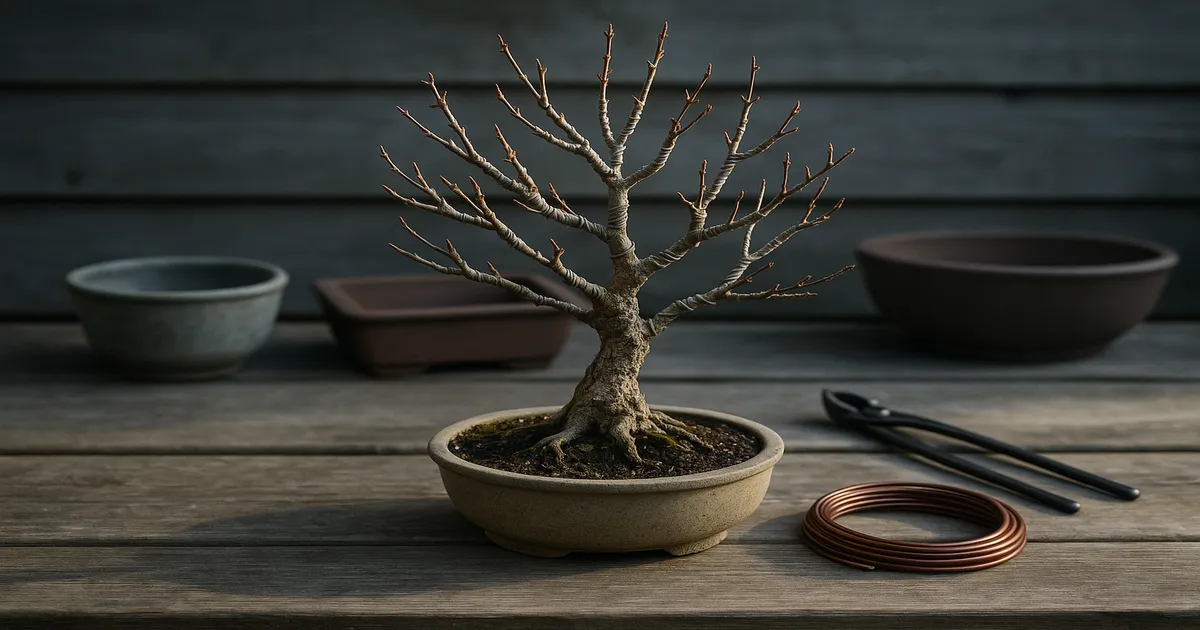
Quick Answer: To care for a pomegranate tree in winter, let it go fully dormant by storing it somewhere cold but frost-free — ideally an unheated garage or shed at 28–45°F (-2 to 7°C). After leaf drop, water just once every 2–4 weeks, and never let the root ball freeze solid. A warm living room is not a suitable winter home; pomegranates need genuine cold to stay healthy long-term.
Knowing how to care for a pomegranate tree in winter is one of the most important skills you’ll develop as a bonsai grower. Get it right and your tree comes back vigorous, loaded with flowers, and ready to develop. Get it wrong — usually by keeping it too warm or too wet — and you’ll spend the following summer wondering why it looks so defeated.
The good news: pomegranates are tough, forgiving trees from a cold-winter homeland. They want to rest. Your job is mostly to let them.
Pomegranate Winter Care at a Glance
The Single Most Important Rule
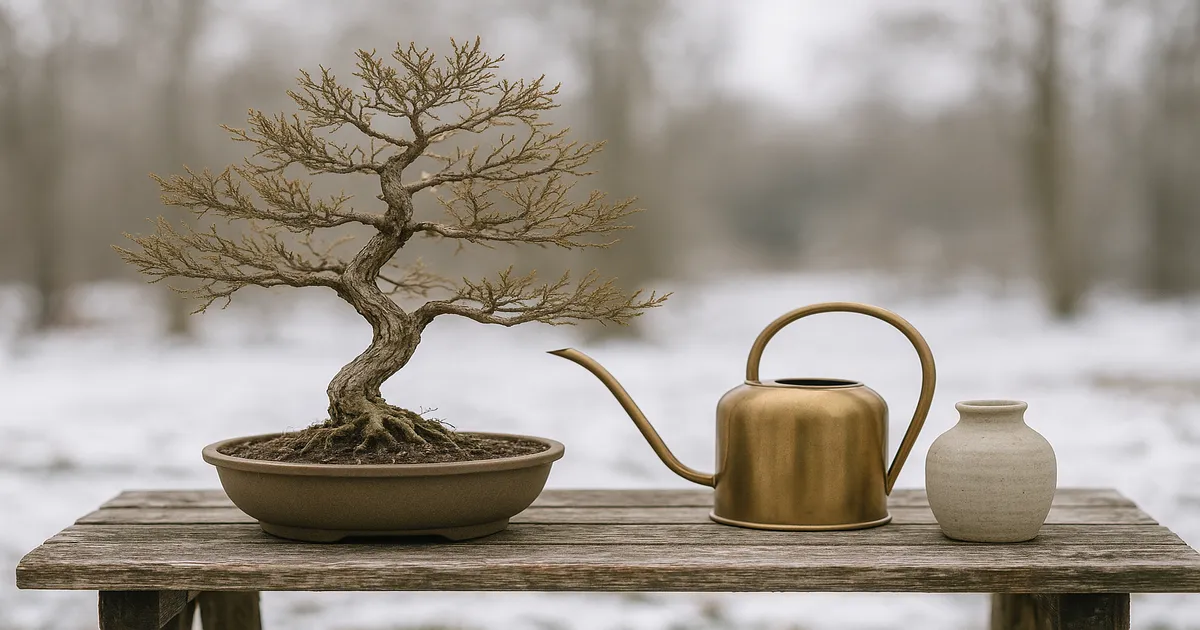
Pomegranates are outdoor trees. They evolved on the Iranian Plateau and in the Caucasus, where winters are genuinely cold. A tree kept in a heated living room year-round will slowly weaken, flower less reliably, and decline over three to five years. True dormancy — triggered by cold temperatures, not just reduced watering — is non-negotiable for long-term health.
Zone-by-Zone Summary
| Zone | Winter Low | Recommended Strategy |
|---|---|---|
| Zone 10–11 | Above 35°F (2°C) | Outdoor year-round; may not fully drop leaves |
| Zone 8–9 | 10–20°F (-12 to -7°C) | Sheltered wall + frost cloth on coldest nights |
| Zone 7 | 0–10°F (-18 to -12°C) | Move containers to unheated garage or shed |
| Zone 6 | -10–0°F (-23 to -18°C) | Full cold storage; insulate container |
| Zone 5 and below | Below -10°F (-23°C) | Careful cold storage management essential |
Understanding Pomegranate Dormancy
What Triggers Leaf Drop
Dormancy isn’t something you force — it’s something the tree initiates in response to shortening days and cooling nights. When nighttime temperatures consistently drop below 50°F (10°C), pomegranates begin pulling energy back into the roots and shedding their leaves. This is completely normal and healthy.
What Happens When You Skip Dormancy
A tree kept warm and lit year-round never gets to reset. The root system doesn’t consolidate energy reserves, flower bud initiation suffers, and the tree enters each growing season already slightly depleted. Over three to five years, this compounds into a noticeably weaker, less floriferous tree.
Deciduous vs. Semi-Evergreen Behaviour
In colder climates (Zones 5–8), pomegranates are fully deciduous — bare branches from late autumn through early spring. In frost-free zones (Zones 10–11), they often hold some foliage year-round. Neither is wrong; the tree is simply responding to its environment. Punica granatum ‘Nana’, the most common bonsai cultivar and the primary reference throughout this article, tends toward full leaf drop even in mild winters.
Cold Hardiness: How to Care for a Pomegranate Tree in Winter Temperatures
Container Roots Are More Vulnerable Than In-Ground Roots
In-ground pomegranates in Zone 7 can handle brief dips to 10–15°F (-12 to -9°C) with mulching. Container trees are a different story. The ground is an enormous thermal mass; a pot is not. When air temperature drops to 20°F (-7°C), the soil inside a small bonsai pot can approach that temperature within hours. Root death happens silently over winter, and you won’t know until spring when the tree fails to push buds.
Minimum Temperatures by Cultivar
- ‘Nana’ and ‘Sieboldi’ in containers: Protect below 20–25°F (-6 to -4°C)
- Standard varieties in containers: Protect below 28°F (-2°C)
Smaller containers — used for mame and shohin work — offer the least root insulation and are the most vulnerable. If temperatures in your area regularly dip below 25°F (-4°C), bring the container in regardless of cultivar.
Winter Storage: Choosing the Right Location
Unheated Garage or Shed: The Best Option
An unheated garage, basement, or garden shed that stays between 28–45°F (-2 to 7°C) is ideal. It’s cold enough to maintain genuine dormancy, frost-free enough to protect the roots, and dark enough that supplemental lighting isn’t needed once the tree has fully dropped its leaves. Check temperatures on your coldest nights — if it regularly drops below 25°F (-4°C) inside, wrap the pot in bubble wrap or burlap for extra insulation.
Outdoor Sheltered Positions for Milder Zones
In Zones 8–9, a sheltered south-facing wall often provides enough protection for all but the coldest nights. Keep frost cloth (Agribon AG-19 Floating Row Cover) handy for nights forecast below 28°F (-2°C). Avoid low-lying areas where cold air pools.
Indoor Storage: What Works and What Doesn’t
Heated living rooms are the wrong place for a dormant pomegranate. Warmth and low humidity confuse the tree, encourage premature bud break, and lead to weak spring growth. If indoor storage is your only option, choose the coolest room available — a north-facing mudroom, an unheated sunroom, or a cool basement corner.
If the tree hasn’t fully dropped its leaves when you bring it in, supplement with a full-spectrum LED grow light set to 5,000–6,500K for 12–14 hours per day. Once the tree is completely bare, light is far less critical.
Insulating the Container
When storage temperatures are borderline, insulate the pot rather than moving the tree somewhere warmer. Wrap the container in bubble wrap, burlap, or hessian — this buffers temperature swings without raising ambient temperature enough to break dormancy. Wrap only the pot and root zone, not the trunk or branches.
Winter Watering: The Most Common Mistake
How Much to Water After Leaf Drop
After leaf drop, water every 2–4 weeks — and only when the soil is approaching dryness. This is a dramatic reduction from peak summer, when small pots may need daily watering. Cold, wet soil around dormant roots is one of the fastest ways to kill a pomegranate.
How to Check Soil Moisture
Three reliable methods:
- The lift test: Pick up the pot. A noticeably light pot needs water; a heavy pot doesn’t.
- Moisture meter: Insert the probe to mid-depth. Water when it reads in the lower third of the scale.
- Chopstick test: Push a wooden chopstick 2 inches into the soil. Dry and clean means it’s time to water; soil clinging to the wood means wait.
Preventing Root Desiccation and Root Rot
The balance is simple to describe but requires attention: roots must not dry out completely (they die), but cold wet soil also kills them through rot. When you do water, water thoroughly — don’t dribble a little in and call it done. Then leave the pot alone until it’s nearly dry again.
Before the first hard freeze of the season, give the tree one thorough watering. A hydrated root ball has more thermal mass than a dry one and is less likely to freeze solid.
Late-Winter Pruning and Shaping
Why Late Winter Is the Best Pruning Window
February and March (in temperate Northern Hemisphere zones) are the sweet spot for structural pruning. The tree is leafless, so every branch is visible. The rising energy of pre-dormancy break promotes rapid wound healing, and new growth will cover fresh cuts within weeks of bud break.
Structural Pruning Technique
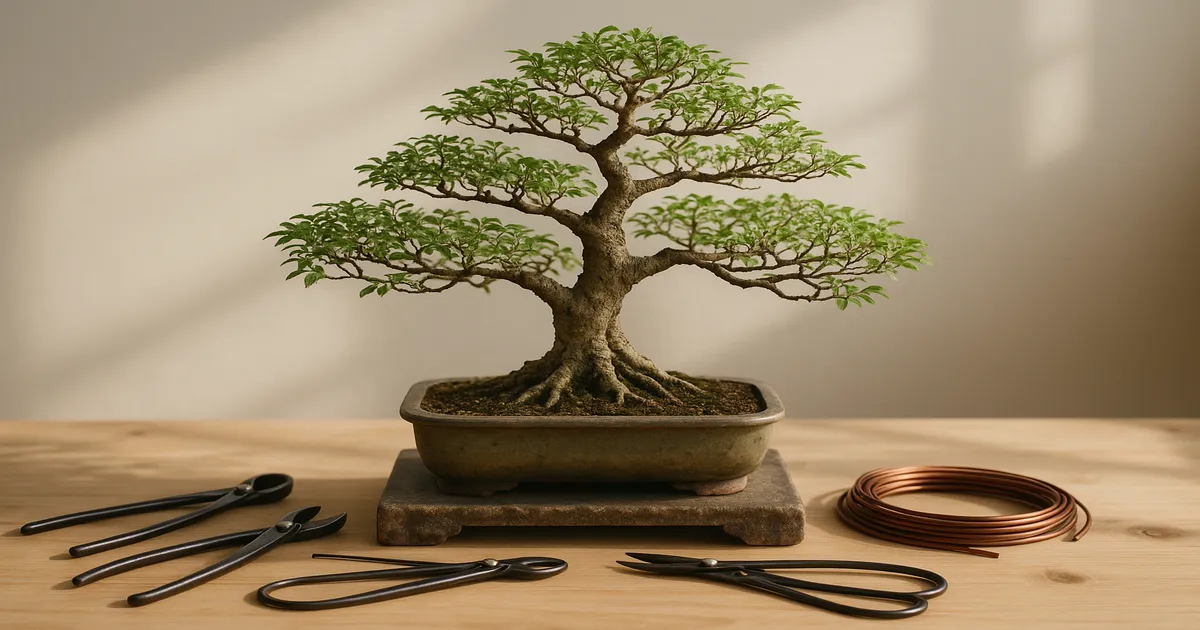
Start by removing dead wood, crossing branches, and parallel branches competing for the same space. Step back and assess the silhouette before cutting anything else.
- Use concave cutters for any branch over 6mm — the hollow wound heals more flush than a straight cut
- Apply cut paste to any cut over 6mm (roughly ¼ inch) in diameter
- Work in stages: remove, step back, reassess
Avoid making large cuts when temperatures are still well below freezing. Callus formation slows dramatically in the cold, and open wounds are more vulnerable to fungal infection. Wait until buds begin to swell before tackling your biggest cuts.
Leave shoot-tip pruning and refinement work for the growing season. Pomegranates flower on current-season growth and on short spurs on mature wood, so over-pruning shoot tips in late spring costs you flowers.
Transitioning Back Outdoors in Spring
Watch for buds visibly swelling and a slight flush of color at branch tips. When nighttime temperatures reliably stay above 35–40°F (2–4°C), the tree is ready to move back outside.
Don’t go straight from a dark garage to full sun — even in spring, that contrast can scorch new growth. Spend one to two weeks in bright shade first, then dappled sun, then full exposure. Increase watering incrementally as buds swell and leaves emerge. Hold off on fertilizing until you see genuine new growth; feeding a tree that’s still waking up stresses the root system before it’s ready to absorb nutrients.
The window just before bud break is also ideal for wiring. Branches are still visible without foliage, and the wood is slightly more flexible after winter. Aluminum wire is more forgiving on pomegranate’s somewhat brittle wood than copper. Get wiring done before the spring flush accelerates — bark softens quickly during active growth and wire bites in fast.
Troubleshooting Common Winter Problems
Root rot is caused by cold, wet soil. Symptoms include wilting despite moist soil, a sour smell from the pot, and soft brown roots on inspection. If caught early, remove affected roots, let the root ball dry slightly, and repot into fresh, well-draining mix — a 1:1:1 blend of akadama, pumice, and lava rock works well. Reduce winter watering going forward.
Branch dieback after a hard freeze is often less severe than it looks. Wait until the tree is actively pushing buds, then scratch-test the bark with your thumbnail — green cambium underneath means the branch is alive. Prune dead wood back to live tissue only once you’re certain.
Premature bud break during warm spells is common after a mild week in January or February. Protect with frost cloth on cold nights rather than moving the tree back to warmer storage — repeated temperature cycling is more damaging than a single cold snap. The tree will usually push a second flush without issue.
Desiccated buds and fine branch dieback point to insufficient winter watering or very low humidity in heated storage. Increase watering frequency slightly and consider placing the pot on a humidity tray. Check that you watered at least once before the first hard freeze and that the root ball never dried out completely.
Frequently Asked Questions
Can a pomegranate bonsai survive winter outdoors?
It depends on your climate zone. In Zones 8–9, a container pomegranate can often stay outdoors with minimal protection — a sheltered wall and frost cloth on the coldest nights. In Zone 7 and colder, outdoor exposure without protection will kill the roots in the pot, even if the canopy would otherwise survive.
Should I bring my pomegranate inside for winter?
“Inside” is a broad term. An unheated garage, shed, or basement at 28–45°F (-2 to 7°C) is ideal. A heated living room is not — it’s too warm for proper dormancy and will weaken the tree over time. Think cold shelter, not houseplant conditions.
How often should I water a pomegranate tree in winter?
After leaf drop, water every 2–4 weeks, only when the soil is approaching dryness. The goal is to prevent the root ball from completely desiccating without creating the cold, wet conditions that cause root rot.
At what temperature does a pomegranate need frost protection?
Container-grown ‘Nana’ and ‘Sieboldi’ should be protected when temperatures drop below 20–25°F (-6 to -4°C). Standard container varieties need protection below 28°F (-2°C). Because pot soil loses heat far faster than in-ground soil, err on the side of caution.
Why is my pomegranate bonsai losing leaves in winter — is that normal?
Completely normal. Pomegranates are deciduous in most climates, triggered by nighttime temperatures consistently falling below 50°F (10°C). Leaf drop signals the start of dormancy — a healthy and necessary part of the annual cycle. If your tree is losing leaves during active summer growth, that’s a separate issue, most likely overwatering, underwatering, or a pest problem.